
North East Ambulance Service's Roster Review story
How NEAS conducted a highly successful Roster Review with optashift
Delivering a large-scale Roster Review
In this customer story you’ll learn how North East Ambulance Service (NEAS) and optashift delivered a data-driven and collaborative Roster Review for c.1,700 shift workers.
The initiative has resulted in shift patterns that better support patients, employees and the organisation.
A detailed shift work case study follows the summary below.
Summary
Industry
Emergency Services
(Ambulance – Urgent Care department)
Challenges
- Existing rosters misaligned to new demand profiles
- Relief structures creating issues for employees and management
- Roster-related rules constraining opportunities to improve
- A need to ensure shift patterns better meet the collective preferences of a large, distributed workforce
- Complex and sensitive area of transformation
Solution
- Deep analysis and conversion of demand and capacity data into operationalised labour models
- Data-driven assessment of relief structures and development of alternative approaches
- Pan-stakeholder collaboration, communications, engagement and co-design
- Harnessing technology to accelerate processes, ground solutions in data and enable employees to shape their rosters
Outcomes
- c.160 new rosters successfully implemented that are optimised to demand, employee preferences and best practice
- Reduced the ratio of Relief weeks from 1 in 3 weeks, to 1 in 5
- Embedded a new resourcing model that’s supporting service performance
- Created a set of rostering rules to support future change
- Established a robust and replicable approach which is now being applied to other transformation projects in North East Ambulance Service
- Won awards in recognition of the successful collaborative approach and positive impact on shift worker wellbeing
The ‘Who’ - North East Ambulance Service
North East Ambulance Service (NEAS) provides emergency ambulance care and patient transport services across the counties of Northumberland, Tyne and Wear, County Durham and the boroughs of Darlington, Hartlepool, Middlesbrough, Redcar and Cleveland and Stockton-on-Tees.
The organisation also supports the NHS 111 non-emergency phone service, provides medical cover at events and delivers first aid training to businesses and communities across the North East.
NEAS operates from c.50 stations and employs over 3,000 people, who respond to around 390,000 emergency and urgent incidents every year.

Quick guide and webinar
Gain a solid grounding in shift work improvement best practice.
Our bite-sized guide and one-hour webinar provide the outline of a framework you can apply in your own organisation.

The ‘What & Why’ - Improving rosters for patients and colleagues
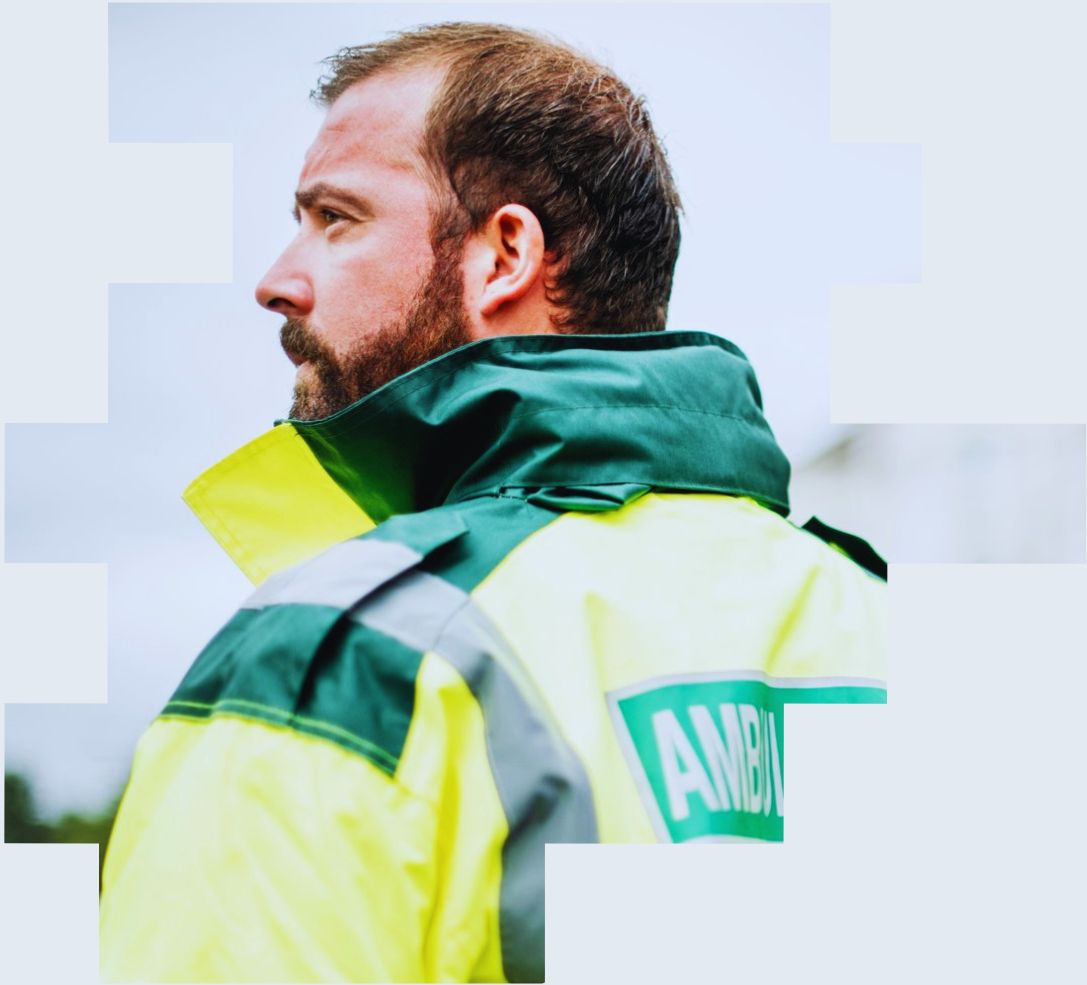
North East Ambulance Service operates 24/7, 365 days a year across a large geographical area.
This makes rosters that deliver the right skills, in the right place and at the right time essential to effective and efficient operations.
Rosters are also crucial to the health, wellbeing and work-life balance of the Paramedics and other employees who provide life-saving patient care and support.
Ambulance services therefore undertake Roster Reviews to ensure working patterns adapt to reflect changes in service demand (e.g. population changes, care delivery models) as well as employee preferences and wider operational matters.
In line with its focus on care quality, performance and supporting colleagues, North East Ambulance Service decided to conduct a major Roster Review for its Urgent Care department of c.1,700 Paramedics and other front-line roles.
NEAS wanted to address a number of key challenges as part of the Roster Review.
These included…
– Alignment to demand: Recent analysis revealed that changing demand profiles across nearly half of North East Ambulance Service’s stations could potentially lead to capacity shortfalls if not addressed. The Roster Review needed to identify how best to align rosters to this new demand, whilst considering employee preferences and needs such as predictability, rest and annual leave.
– Relief structures: The way Relief cover was incorporated into rosters meant shift workers had a high degree of uncertainty around where and when hours needed to be worked. It also created challenges for management to balance rosters to contracted hours and ensure adequate cover over weekends and into Mondays.
– Roster rules: Existing rules governing roster design and management (AKA ‘Core Principles’) were restricting the options available to achieve effective, popular and compliant rosters capable of balancing a wide range of variables.
– Preferences, balance and fairness: Demographic changes meant that legacy rosters were increasingly no longer meeting the diverse needs and preferences of a c.1,700-strong workforce. There was a need to increase choice whilst ensuring all rosters meet demand and support shift worker health and wellbeing.
– Engagement and co-design: As Roster Reviews are complex and sensitive areas of change, North East Ambulance Service needed to find a practical way to ensure Trade Unions and the wider workforce could play a central role in the co-design and implementation of new shift patterns and solutions.
These challenges, and the importance of the Roster Review to patients, employees and the organisation, meant North East Ambulance Service chose to engage with experts at optashift to help deliver target outcomes and a successful process.
Over the last decade our team has developed a proven approach across multiple Roster Reviews for eight UK Ambulance Services, with work spanning 111, EOCs, frontline crews, PTS & HART functions.
The ‘How’ - A data-led and highly engaged Roster Review
Over an 18-month period North East Ambulance Service and optashift collaborated closely to structure and deliver a comprehensive Roster Review.
optashift’s robust and proven Ambulance Services shift work transformation methodology was tailored to suit the specifics of NEAS’ operating and HR environment.
The project team followed an agile process which focused on:
– Operationalising demand: Conducting deep analysis of the output from North East Ambulance Service’s Demand and Capacity Review to identify how capacity and performance could be improved through implementable rosters. Spanning all stations, this iterative process identified potential impacts and created optimised rostering models based on true resourcing requirements, operating constraints and key policies and processes.
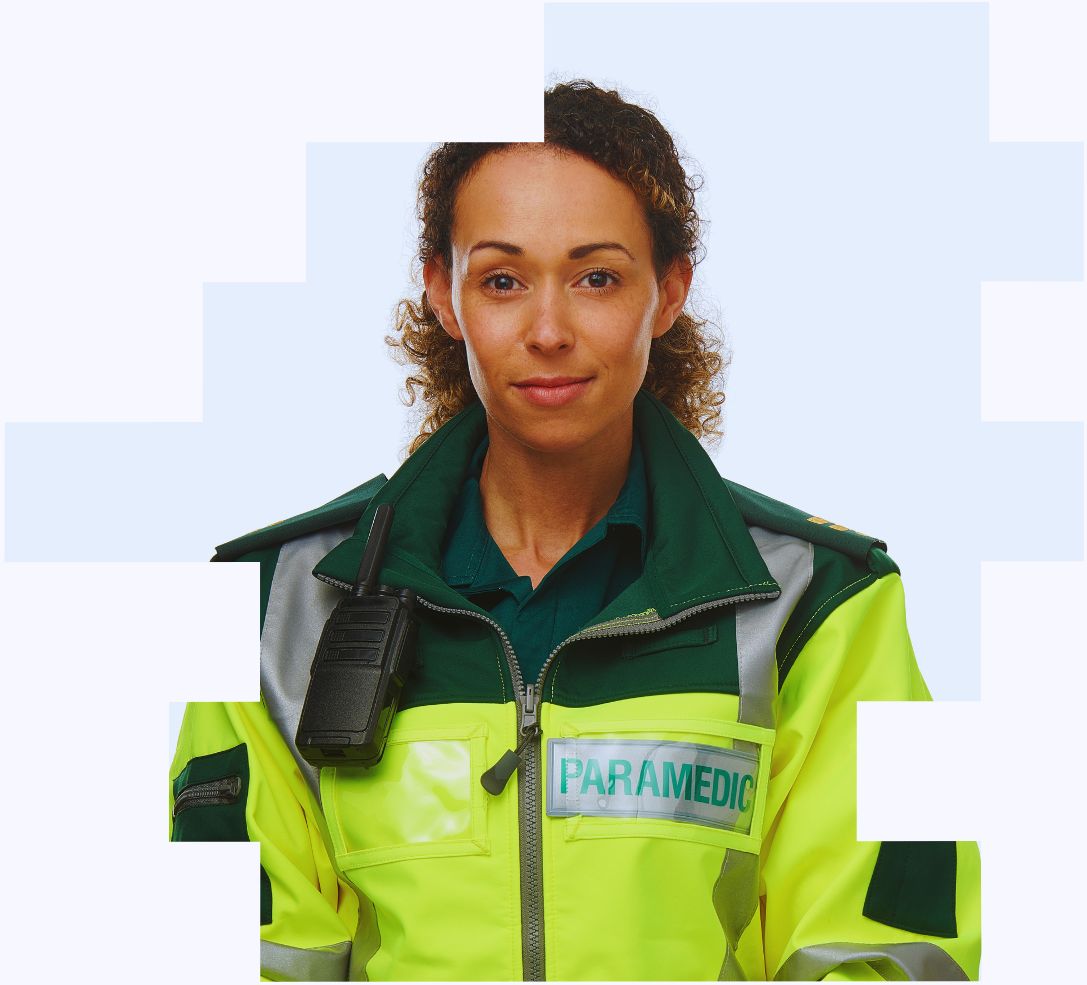
– Relief assessment: Creating a custom data model within optashift’s analytics tool shift | View to analyse the application of Relief in NEAS and identify opportunities to reduce it without impacting cover, performance or fairness for shift workers.
– Updating rostering rules (AKA ‘Core Principles’): Collaborating with management and Trade Unions through a series of workshops to discuss challenges and co-create guidelines that govern the roster design process and ensure consistent application of rules now and in the future.
– Communications and engagement: Ensuring that employees were informed about the Roster Review rationale, process and timings via regular communications, ambulance station-level management cascade and face-to-face briefings.
– Initial roster template design: Using optashift’s shift pattern design system shift | Plan, our experts generated a diverse set of roster template options for North East Ambulance Service’s c.50-strong station network. The tool ensured that rosters could quickly be modelled that effectively aligned to a wide range of variables including demand, operational requirements and the updated rostering rules.
– Preference gathering: Deploying a sophisticated and targeted mechanism to capture and analyse the c.1,700-strong cohort’s views and preferences relating to Relief and the draft roster templates relevant to their station, contract size and role.
– Working Groups: Holding a series of open-door workshops so employees at each ambulance station could discuss Relief, roster templates and the analysis of preferences. The visual interactive capabilities of shift | Plan enabled employees to work with the project team to further refine and iterate the roster templates based on collective feedback.
– Voting: Giving every employee the opportunity to consider the final shortlist of rosters for their station and vote for their preferred option (with the most popular rosters going forward to implementation).
Shift Work Assessment
Optimising shift patterns and shift work delivers huge benefits…but complexity and competing priorities sees many organisations leave things as they are.
Our Shift Work Assessment is a streamlined process which quickly analyses all relevant operational and HR factors to give you a tailored plan for immediate improvement.

The outcomes and impact – A successful Roster Review and template for future change

North East Ambulance Service’s Roster Review resulted in every station implementing new rosters that align to demand, meet operational requirements and reflect colleagues’ collective preferences.
The Roster Review has delivered a number of positive impacts:
– Performance gains: Aligning labour supply to demand is underpinning NEAS’ performance, productivity and efficiency. The optimised re-deployment of resource reduced the capacity gap identified in the Demand and Capacity Review by 50%.
– Reduced Relief in support of work-life balance: Establishing a new model has reduced Relief in Rosters from a ratio of 1 in 3 weeks to 1 in 5. This outcome is supporting employee work-life balance and wellbeing by providing increased clarity and predictability of working hours and more balanced rosters.
– Engagement and collaboration: The preference gathering mechanism ensured employees had a direct say in the rosters designed and implemented.
– Continuous improvement: The data models, rostering rules and guidelines used to deliver the Roster Review will act as a solid platform to support ongoing measurement, evaluation and further optimisation.
– Best practice: A new best practice approach has been embedded that will provide a blueprint for subsequent Roster Reviews in other functional areas of North East Ambulance Service.
– Award winning: The Roster Review won the ‘Working In Partnership Award’ at the annual NEAS In The Spotlight Awards in recognition of the collaborative approach that has improved wellbeing and provided greater flexibility and support for front line teams. Darren Green also took home ‘Leader of the Year’ award in recognition of his leadership of the project.
Contact a shift work expert
If you are looking to assess your current shift patterns or want help with any aspect of shift work…contact one of our experts.
They’ll quickly help you understand more about how optimisation can help you control costs, improve productivity, secure compliance and support the wellbeing of your shift workers.
Shift Pattern, Shift Work and Shift Worker services

optashift services help you attain optimum shift work performance.
They can be delivered individually or combined to create a unified programme of continuous improvement.
Our agile approach means everything we do is tailored to your organisation and shift workers.
Shift work is complex, sensitive and always changing.
Let optashift be your trusted partner.
Our experience