
The health effects of night shift work
An overview of what employers need to know
Supporting night shift workers’ health
Across the UK millions of people regularly undertake night shift work so that we can all benefit from an economy and vital public services which operate 24 7.
Night shift workers keep manufacturers producing, warehouses and logistics functioning, transport moving, hospitals open and essential services running.
At the same time, research is increasingly linking night shift work with a heightened risk of fatigue, accidents in the workplace and wellbeing issues including mental health challenges and chronic disease.
For employers, the potential health effects of working night shifts challenge the moral, regulatory and reputational imperative around duty of care and can directly lead to reduced productivity, higher sickness absence and increased health and safety risk.
In this article our shift work experts explore what the C-suite, operational leads, HR teams and managers in organisations with night shift work need to understand about the potential impact on night shift workers’ health, along with broad practical ideas around how you can support them.
Night shift work - why the body clock matters
Humans are biologically wired to sleep at night and be awake during the day…a pattern governed by the circadian rhythm.
This is an internal clock that, roughly every 24 hours, regulates hormone release, body temperature, digestion, alertness and many other vital processes.
Undertaking night shift work requires people’s bodies to go against this natural system.
For night shift workers sleep happens during daylight hours, when noise, light and home life often make deep, restorative rest harder to achieve.
Even if a night shift worker manages to spend eight hours in bed during the day, the sleep they get may typically be lighter, more fragmented and less restorative.

Over time, night shift work can contribute to the circadian rhythm itself becoming misaligned.
Hormones such as melatonin and cortisol are released at suboptimal times, which affects mood, alertness, metabolic function and the body’s ability to recover…impacting night shift workers’ health.
Chronic circadian disruption and cumulative sleep debt are strongly associated with slower reaction times, poorer decision making, lapses in concentration and greater vulnerability to stress and burnout.
It can also lead to the development and diagnosis of Shift Work Sleep Disorder (SWSD) which is thought to affect around 10-30% of night shift workers.
It’s recognised as a legitimate medical condition by the National Institute for Health and Care Excellence (NICE) and a diagnosis usually requires evidence of symptoms to persist for at least three months.
Shift Work Health
The effects of shift work on physical and mental health are clear…so responsible employers need to provide shift workers with tailored support across sleep, nutrition, exercise and social issues.
optashift will help you deliver a programme that blends strategic, operational, practical and technical solutions that are designed in collaboration with your workforce.

Night shift work effects – the physical health risks

A substantial and growing body of evidence links long-term night shift work to a range of physical health problems.
As shift work health experts we’re at pains to point out that the health effects of night shift work is multi-dimensional and specific to employees (physiological/psychological) and organisations (shift structures, environment, tasks etc.).
As many studies are observational, there are natural evidence gaps and limitations (e.g. sample size, confounding factors, lag effect, heterogeneity).
This means research typically indicates associations, but do not provide absolute proof of causation when it comes to the health effects of working night shifts.
While individual studies may differ in the detail, there are many consistent themes in studies, such as:
Cardiovascular risk of night shift work
According to many studies night shift workers health can be impacted as they face a significantly higher risk of cardiovascular disease (including heart attacks and strokes) compared to employees who work more traditional daytime hours.
The potential reasons provided are multi-faceted.
Studies show that persistent sleep deprivation and circadian disruption have a negative impact on blood pressure and heart rate variability.
Many roles involving night shift work can also be inherently stressful, heightening the load on the cardiovascular system.
Research supports the idea that lifestyle factors play a part in contributing to the health effects of working night shifts.
People undertaking night shift work often rely on caffeine or high-sugar foods for quick energy and can struggle to maintain regular exercise due to fatigue and irregular routines.
Over months and years, the combination of disturbed sleep, elevated stress and sub-optimal lifestyle patterns can substantially increase the risk of cardiovascular problems.
In addition to the impact on night shift workers health, these cardiovascular risks can translate into higher absence levels, longer-term ill health, early retirement on medical grounds and higher costs associated with insurance, pensions and recruitment.
Effect of night shifts on Type 2 diabetes and metabolic health
When exploring the health effects of working night shifts there is a growing body of evidence associating night shift work with a greater risk of Type 2 diabetes and other metabolic disorders.
Disrupted circadian rhythms interfere with insulin sensitivity, making it harder for the body to regulate blood glucose effectively.
Appetite-regulating hormones can become misaligned, increasing cravings for calorie-dense foods at times when the body would usually be resting.
Irregular eating patterns are also common amongst night shift workers.
Many tell our shift work nutrition experts that they skip meals, snack through the night or rely on unhealthy options provided by vending machines and fast-food outlets for convenience.
Combined with reduced physical activity, this can contribute to weight gain and impaired metabolic health, which in turn impacts overall night shift workers’ health.
For organisations any increased prevalence of long-term metabolic health conditions in night shift workers can result in frequent sickness absence, greater demands on occupational health support and, in some cases, adjustments to accommodate ill health.
You can read more about this topic in our shift work nutrition overview.
Night shift work’s effect on fatigue-related incidents
Sleep disorders and persistent sleep difficulties are often cited as common health effects of working night shifts.
Many night shift workers report insomnia or difficulty winding down after a shift, excessive daytime sleepiness, frequent awakenings and a sense that they never quite achieve ‘proper’ rest.
These sleep problems affect more than personal wellbeing.
In environments where alertness is critical to safety (such as manufacturing, logistics, transport, utilities, healthcare and emergency services) fatigue-related errors can have serious consequences for employees, customers and the wider public.
Even in office-based night work (such as in data centres, emergency control rooms or financial services international trading desks), reduced concentration and slower responses can impact productivity, service quality and decision-making.
When sleep problems become chronic, they may also merge into broader mental health challenges, reinforcing the cycle of fatigue and making it harder for individuals to recover without targeted support.
You can find out much more about this topic in our article Shift work fatigue – Five areas of focus.
optashift’s Fatigue Risk Management Systems are designed by a cross‑disciplinary team of shift work fatigue specialists, including Chartered Human Factors experts.
Our experts are recognised authorities in fatigue management for shift workers and include former senior Health and Safety Executive (HSE) inspectors.
Tackle Shift Work Fatigue
Shift work fatigue can have a dramatic impact on health and safety, shift worker wellbeing and productivity.
optashift will work with you to develop a sophisticated Fatigue Risk Management System tailored to your organisation and workforce.

Night shift work’s effect on mental health and relationships

The health effects of working night shifts go beyond physical conditions.
Mental and emotional wellbeing is strongly affected by regular disruption to sleep and daily routines.
When considering supporting night shift worker’s health, your organisation should take into account the cumulative and sometimes less visible or obvious impacts on mental health.
It’s important that this considers the impact of working night shifts on relationships with both colleagues and in their personal lives.
Night shift work’s impact on mood, cognition and mental health
optashift’s sleep science experts often hear night shift workers describe feeling ‘groggy’, ‘foggy headed’ or ‘more irritable’ after working night shifts.
For many night shift workers difficulties with memory, concentration and decision-making are short lived, but for others they can become routine.
For some these health effects of working night shifts can tip into more pronounced anxiety or symptoms of depression.
Sleep deprivation is a known risk factor for a range of mental health challenges.
When sleep issues are combined with demanding roles, irregular social contact and limited access to support services, the risk can increase further.
We find that organisational wellbeing and mental health initiatives are often geared primarily towards office-based daytime workers, leaving night shift workers health requirements excluded or underserved.
This can result in a group of employees who may be quietly struggling with decreased resilience, lower mood and higher stress, even when displaying normal attendance and performance patterns.
It’s important that the mental health effects of working night shifts are taken into account when designing health and wellbeing support.
You can find out more about how optashift’s experts provide tailored shift work health and wellbeing support initiatives and programmes here.
Social isolation and family strain
Night shift work can also have a profound social impact.
Night shift workers are often asleep when friends and family are not, and working when others are socialising or attending events.
Everyday activities such as school runs, family meals or weekend gatherings become harder to sustain.
When workers rotate between days and nights, household routines can become unpredictable.
This can be particularly challenging where there are caring responsibilities and amplified further when the care givers are shift workers with different shift patterns.
Over time, this misalignment with day-time activities, social networks and the wider world can lead to isolation and put strain on relationships.
Some studies suggest that night shift workers are much more likely to experience relationship breakdown compared to those working regular daytime hours (including a 1 in 5 risk of divorce amongst night shift workers).
For employees social strains can compound the existing health effects of working night shifts.
For employers, the evidence can show up in engagement surveys, retention rates and the day-to-day morale of night shift workers.
Employees who feel their personal lives are being impacted by their working pattern or conditions may understandably be more inclined to leave or to speak negatively about your organisation.
Why the health effects of night shift work are an issue for employers
The health effects of night shift work are sometimes viewed as an unfortunate but inevitable by-product of operations that span night time, including 24 5 and 24 7.
Shift work is not always well-understood in organisations and necessary improvement is often slowed by lack of specific focus, evidence, specialist expertise, budget and resistance to change.
In reality night shift workers’ health is a strategic risk and performance challenge that organisations can influence, and are increasingly expected to manage.
There’s growing evidence, awareness and scrutiny regarding the health effects of working night shifts and the interventions being made by employers to address it.

If night shift workers’ health is neglected, you may see higher sickness absence, more frequent use of agency labour or overtime to cover capacity gaps, and rising levels of presenteeism as fatigued colleagues continue to attend work but perform below their best, thereby impacting organisational performance and productivity.
Accident and incident rates may climb, resulting in often significant associated costs in investigation time, compensation, regulatory attention and reputational damage.
You may also find recruitment and retention also becomes more difficult.
In sectors where shift work is common, workers talk to each other about which employers are seen to offer sustainable, fair and safe shift patterns and working conditions…and those that do not.
You only need to look at employee-posted reviews on Glassdoor and Indeed Company Pages to see how frequently shift patterns and night shift work are mentioned negatively.
Night shift work that feel relentless, unsupported or unsafe are a frequent driver of turnover.
This poses a fundamental challenge for some industries and organisations who are struggling to attract new generations of talent.
Many young people entering the workforce are increasingly seeking employers that can evidence how they will support their health and wellbeing and work-life balance aspirations.
At the same time, stakeholders such as regulators, investors (via ESG strategies), trade unions and employee representatives are paying closer attention to how employers manage night shift work.
As evidence around the health effects of working night shifts becomes more widely understood, organisations that ignore it may face difficult questions about whether their duty of care obligations are being met and if generic and inadequate support could actually be classed as damaging wellbeing-washing.
Conversely, employers who take night shift worker’s health seriously often see tangible benefits including more a stable workforce, better productivity, less absence, fewer incidents and a stronger employer brand in the communities and labour markets that matter to them.
Shift Work Assessment
Optimising shift patterns and shift work delivers huge benefits…but complexity and competing priorities sees many organisations leave things as they are.
Our Shift Work Assessment is a streamlined process which quickly analyses all relevant operational and HR factors to give you a tailored plan for immediate improvement.

What responsible employers can do about night shift health risks
The health effects of working night shifts pose real risks, but they are not unmanageable.
Employers have meaningful levers they can pull to mitigate risk, protect their night shift workers health and maintain strong operational performance.
It requires a sustained and holistic view of the challenge. Like all health-related issues, prevention rather than treatment is preferable.
Design shift patterns optimised for health
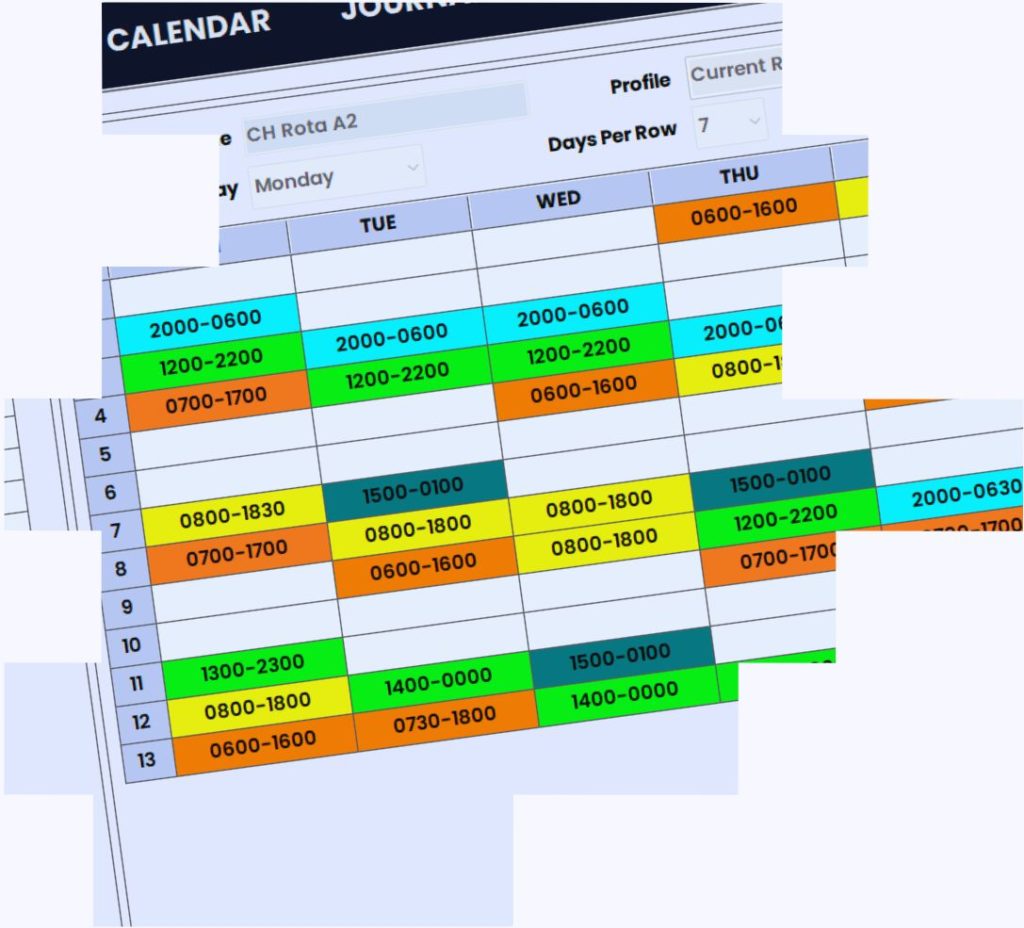
Shift pattern design is one of the most powerful tools available when you are looking to manage the health effects of working night shifts.
The first and most obviously beneficial approach is to eradicate any shift pattern that includes permanent night shifts.
Whilst there are organisations that offer these, and some employees like to work them, it goes against advice from the Health and Safety Executive and should be avoided where possible.
It’s worth noting that optshift’s shift worker engagement programmes often find that certain individuals like to work nights due to a number of reasons (including home commitments, pay premium and avoiding day-to-day management).
Management teams sometimes accept permanent night working because of these often-vocal night shift workers’ resistance to change.
Ultimately this creates more risk for shift workers health and the organisation so where possible permanent nights should be managed out carefully.
You can also limit the number of consecutive night shifts to reduce cumulative fatigue and ensure there is adequate rest built into the pattern after runs of nights, and when changing from days to nights (or vice versa).
Where night shift work roles are particularly demanding or safety-critical, longer shifts (such as 12-hours) may warrant additional controls, or even re-consideration of whether that length of shift is appropriate.
You should ensure that quick turnarounds (where employees finish late and return early the next day) should be minimised as these compress recovery time.
Through shift pattern design you can also explore opportunities to ensure optimised duration and distribution of night shifts, as well as providing optimised daily and weekly rest periods.
This may include introducing shift patterns or shift work policies that ensure there are regular substantial breaks throughout the year to support work-life balance and quality social time.
Organisations that use data to understand how different patterns influence night shift worker health, fatigue, absence and incidents are often better placed to refine their shift patterns over time and to balance operational demands with sustainable working arrangements.
If you’d like to know more, check out our shift pattern design fundamentals article.
Shift Patterns
Finding shift patterns that balance the needs of your organisation and shift workers can be a slow and painful process.
optashift’s Shift Pattern Design service combines data science, expert insight and collaboration to create shift patterns that are fully optimised for your performance and people.

Optimise the night shift work environment
You can improve the environment in which work takes place to help mitigate the health effects of working night shifts.
For example optashift Human Factors experts will look at a number of areas including:
– Designing lighting and temperature controls that support alertness during the shift while still allowing workers to wind down afterwards.
– Ensuring breaks are structured and protected, with access to quiet spaces so you make short rest periods genuinely restorative.
– Working with our shift work nutrition experts to provide access to healthier food and drink options during the night so you can reduce reliance on energy drinks and sugary snacks, supporting better metabolic health.
– You can also think about how people travel to and from night shifts, particularly where fatigue at the end of a shift may increase commuting risk.
These kinds of changes send a clear signal that your organisation views night work as a core part of its operations that deserves thoughtful design, and doesn’t feel ‘second-class’ compared to the environment experienced during day work.

Provide tailored night shift work support, training and guidance

Generic or passive wellbeing support, while well-intentioned, rarely addresses the specific health effects of working night shifts.
A more effective approach is to provide pro-active programmes tailored to night shift workers’ realities including their demographics, the actual shift pattern they are working and the nature of the work they are undertaking.
Practical guidance and active learning around sleep and circadian health can help individuals develop routines and environments that work for them and support daytime rest.
This information might cover a broad range of topics around light, caffeine, chrono-nutrition and ensuring home life helps support good quality sleep.
Managers and other stakeholders play a critical role in providing and encouraging this support…and may need help themselves.
Training that helps colleagues recognise signs of fatigue and distress, hold conversations about workload and rest and escalate concerns appropriately can make a significant difference.
Access to occupational health, counselling and mental health resources should be made easy for night shift workers, therefore not limiting them to office hours.
Where possible, communications, workshops or drop-in sessions can be scheduled at times that night workers can realistically attend, and in formats that can be easily accessed, digested and acted on.
Technology can play a key role in your support for night shift worker health.
You can find out more about our tools here.
Strengthen night shift work data, governance and risk management
Currently the shift work laws in the UK that impact night shift work relate to the Working Time Regulations 1998 and the Health and Safety at Work Act 1974.
The Working Time Regulations requires more strict rest breaks for night shift workers, meaning that over a 17-week reference period an employee must not work more than an average of 8 hours at night in a 24-hour period.
However, it does allow for 12-hour night shifts, as long as the average night working time over a 17-week period is no more than 8 hours.
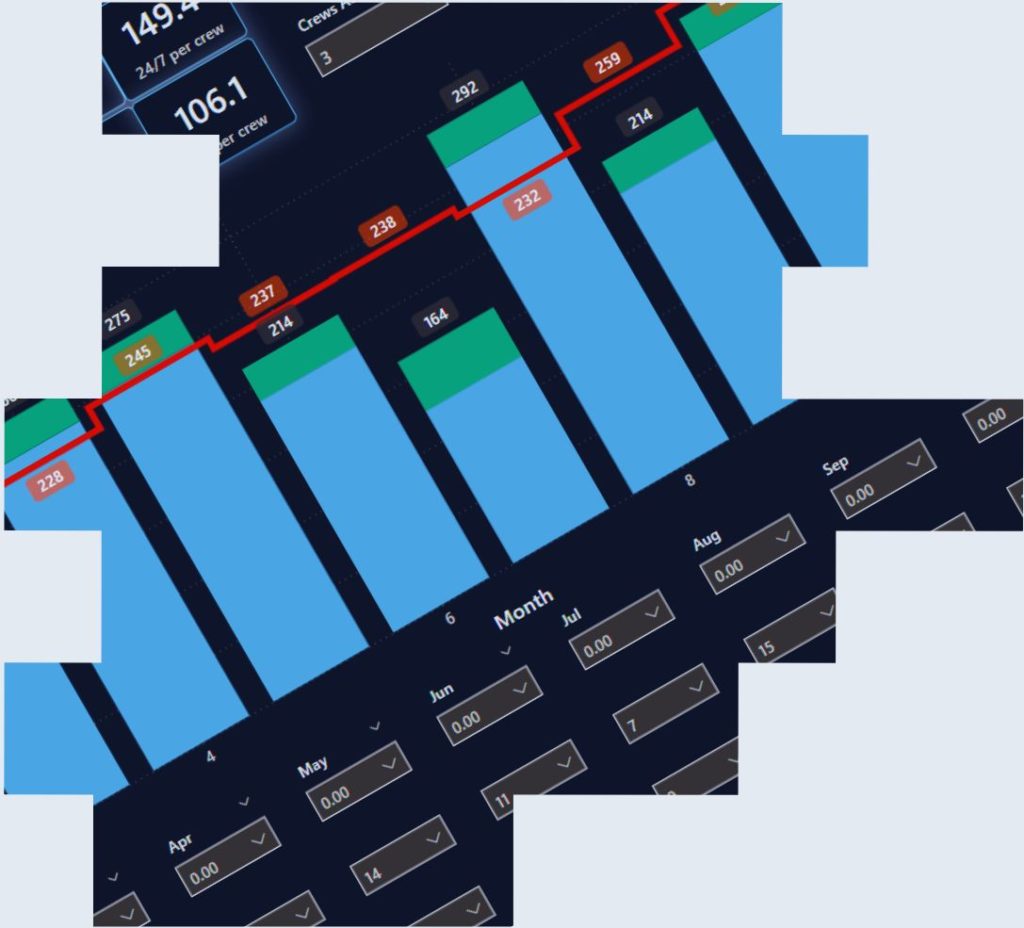
Employers need to maintain records of night workers’ hours to demonstrate compliance with the 8-hour average limit, and to retain those records for a minimum of two years.
The Health and Safety at Work Act 1974 requires employers to offer night shift workers a free night work health assessment before they start their role and repeated on a regular basis (ideally at least annually).
The aim of these assessments is to identify whether night shift working is adversely affecting a worker’s health.
While this approach satisfies legal compliance, on its own it represents the bare minimum and does little to proactively manage wider night shift health risks.
To move beyond a minimum compliance approach, optashift’s shift work law and Human Factors experts believe that night shift work should be explicitly reflected in your organisation’s health, safety and wellbeing frameworks.
Detailed, data-orientated risk assessments that consider fatigue, physical health and psychosocial factors in night shift working roles will provide you with a clearer picture of where support is most needed.
Data and analytics can be used to monitor patterns of sickness absence, incident rates, overtime, rota gaps and turnover in night shift workers, helping you to identify hotspots or trends.
This evidence base is crucial when involving night shift workers and other stakeholders in co-designing solutions (for example through surveys, focus groups or pilots).
optashift’s shift work analytics experts typically blend quantitative and qualitative data as this helps ensure that any changes you make are balanced, understood and grounded in lived experience rather than imposed.
It’s also key you regularly review night shift policies, shift patterns, rostering processes and health surveillance in-line with best practice, emerging evidence, and evolving regulatory expectations.
This will help your organisation maintain a precautionary, evidence-led strategy rather than reacting only when problems become acute.
You can find out more about our shift work analytics tools here.
Data-Led Shift Work
Data science removes reliance on ‘gut feel’ when it comes to optimising shift patterns, shift work management and working conditions.
optashift will create a custom data analytics model that helps you perpetually optimise resourcing, support strategic decision making, minimise risk, drive meaningful engagement and inform Continuous Improvement.

Turning night shift workers’ health from vulnerability into strength

The health effects of working night shifts are increasingly understood and visible.
Regulators, employees, unions, investors and the wider public are all paying more attention to how organisations treat the people who keep operations running through the night.
Employers who continue to view night work as simply ‘part of the job’ and leave it largely unexamined may find themselves exposed to a combination of operational challenges, reputational risk, questions about duty of care and even potential future litigation.
In contrast, progressive organisations that address the realities of night shift workers’ health can turn a potential vulnerability into a strength.
By designing optimised shift patterns, improving the night working environment, offering targeted support and embedding night work into sophisticated governance and risk management, they can reduce accidents and costly errors, lower absence and turnover and build a reputation as an employer of choice that takes night shift worker’s health seriously.
In labour markets where attracting and retaining skilled shift workers is a persistent challenge, this can be a genuine differentiator.
Next steps - Assessing night shift work in your organisation
A practical way to make progress is to treat night shift work as a distinct area of organisational risk and opportunity.
The starting point is to understand your current position.
That means reviewing where and how night shift work is deployed, assessing how shift patterns are designed and maintained, and analysing what data you have on night shift worker health, fatigue, absence, incidents and turnover.
Engaging with Trade Unions, night shift workers and their managers can bring this data to life, revealing where they see the biggest challenges and what sort of support they would value.

From there, you can prioritise and design changes with clear, measurable outcomes.
Some will be quick wins…training and modest adjustments to facilities or support frameworks that are relatively easy to implement.
Others will be medium-term initiatives around shift pattern change, personalised health and wellbeing support plans or the introduction of new approaches and technology around fatigue and night shift workers health risk management.
Over the longer term, many organisations move towards more systematic, data-led continuous improvement frameworks that integrate night shift health into broader shift working optimisation strategies.
Crucially, measuring impact along the way helps build momentum.
Monitoring sickness absence, incident rates, staff turnover and employee feedback as changes are introduced allows you ensure your approach responds to changing operational and workforce factors and creates a stronger business case for continued investment.
Help supporting night shift workers health
optashift has vast experience helping organisations and individuals with the health effects of working night shifts.
For the best part of 30 years our experts have successfully delivered major shift work transformation and optimisation initiatives on behalf of hundreds of organisations and millions of shift workers.
This includes 24/7 shift pattern environments including organisations operating with a continious level of cover such as 4 on 4 off shift patterns, 12 hour or 8 hour rotating shift patterns, as well a wide range of resourcing models that support organisations with variable demand across the day, week and year.
optashift experts can help you:
– Assess your working conditions and ensure you have the shift patterns and shift work policies, processes and systems in place to support night shift worker health and wellbeing.
– Work with you to develop sophisticated shift work data analytics, Fatigue Risk Management Systems and health and wellbeing support programmes tailored to your organisation and night shift workers. We’ll help you establish best practice processes and tools that go beyond compliance to ultimately improve working conditions and performance.
Shift Pattern, Shift Work and Shift Worker services

optashift services help you attain optimum shift work performance.
They can be delivered individually or combined to create a unified programme of continuous improvement.
Our agile approach means everything we do is tailored to your organisation and shift workers.
Shift work is complex, sensitive and always changing.
Let optashift be your trusted partner.
Our experience